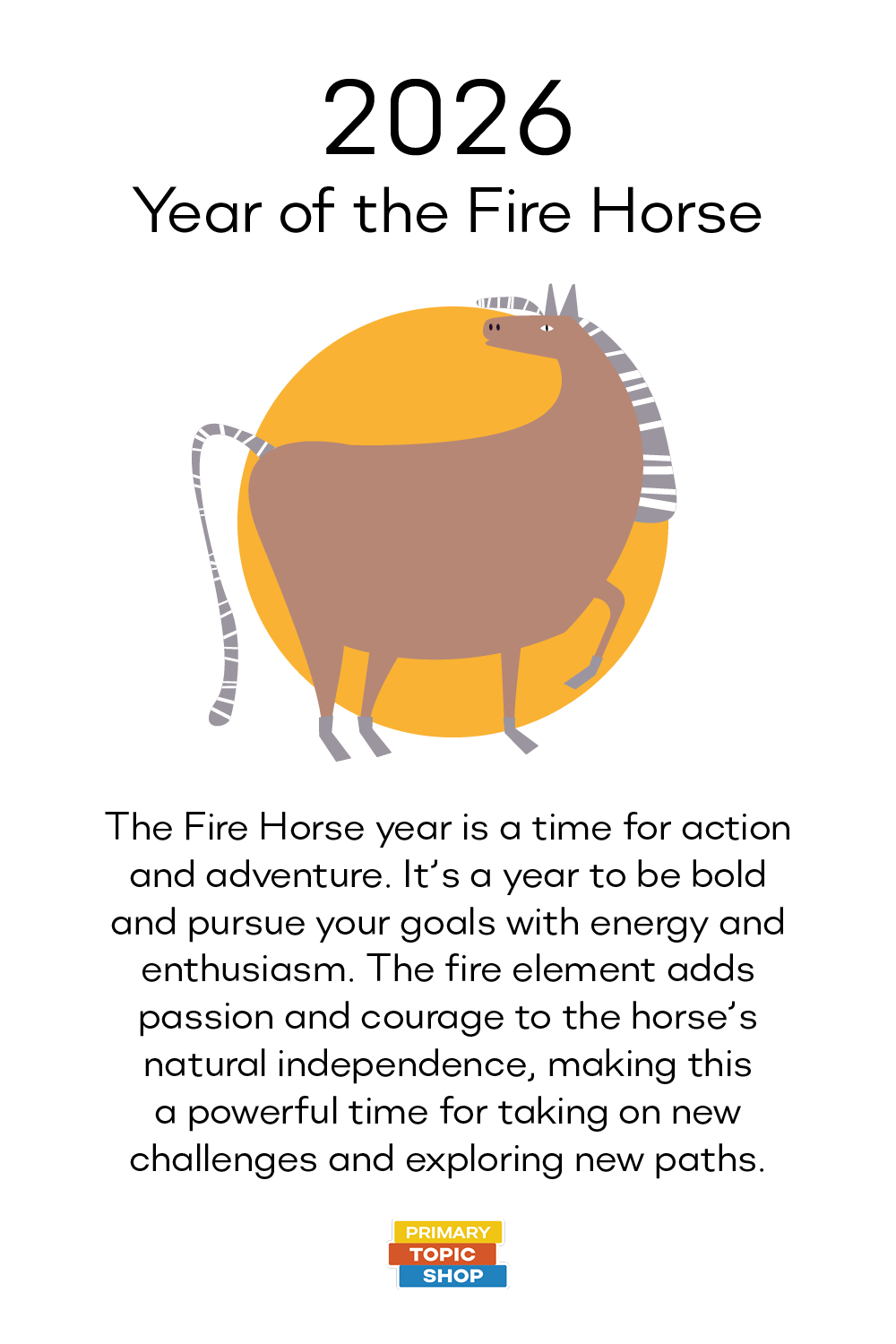
2026 Lunar New Year: Year of the Fire Horse
Lunar New Year falls on Tuesday, February 17th this year, marking the beginning of the Year of the Fire Horse.
According to Chinese tradition, people born in the Year of the Horse are independent, active, and energetic. In ancient Chinese belief, the Fire element was seen as the most yang, full of heat, light, and constant motion. When Fire combines with the Horse, it strengthens the Horse's natural qualities. A Fire Horse person becomes passionately independent, restlessly active, and intensely energetic. The ancient Chinese believed Fire amplified the Horse's spirit, creating someone with unstoppable drive and burning vitality.
The Lunisolar Calendar
The date of Lunar New Year shifts each year because it follows the lunisolar calendar rather than the solar calendar we use today. A lunisolar calendar uses both the position of the sun and the moon.
In Ancient China, each month started on the new moon and lasted 29-30 days until the next new moon. Because a solar year is longer than twelve moon cycles, there was a leap year every two or three years, with an extra month. The Chinese lunisolar calendar has been used for over 4000 years.
The earliest evidence of the lunisolar calendar was found on oracle bones from the Shang Dynasty (1600 BCE - 1046 BCE), but it was likely used before then. Each year, the calendar was prepared by a team of astronomers and made public by the emperor.
Lunar New Year Traditions
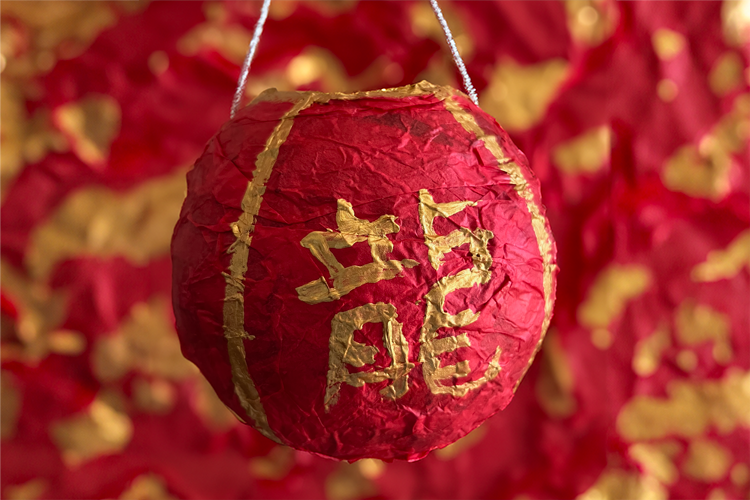
Some Lunar New Year traditions have mythical origins. According to legend, a monster named Nian (which means year) used to attack a village and eat people at the beginning of the year. People would flee the village until they learned it could be frightened away by loud noises, bright lights and red lanterns. Today, Lunar New Year is celebrated with firecrackers, fireworks and red lanterns.
It is a time for people to feast, visit family, honor ancestors and clean the house to get rid of bad luck.
Classroom Activities
Our Ancient Chinese Calendar resource is perfect for teaching students about the lunisolar calendar and Lunar New Year traditions. The resource includes reading pages about the calendar system, comprehension activities, vocabulary worksheets, and the complete story of the Great Race.
Students can make traditional red lanterns using either the jar method or the papier-mâché method. The resource includes step-by-step instructions for both techniques. Once decorated with gold paint and zodiac animals, these lanterns make beautiful classroom decorations for Lunar New Year celebrations.
The resource also includes zodiac stickers featuring positive character traits associated with each animal, like resourceful, creative, helpful, and kind. These can be used as rewards or to create a classroom tally sheet where students are "caught" displaying these positive behaviors.