
How to succeed as a Human in an AI world
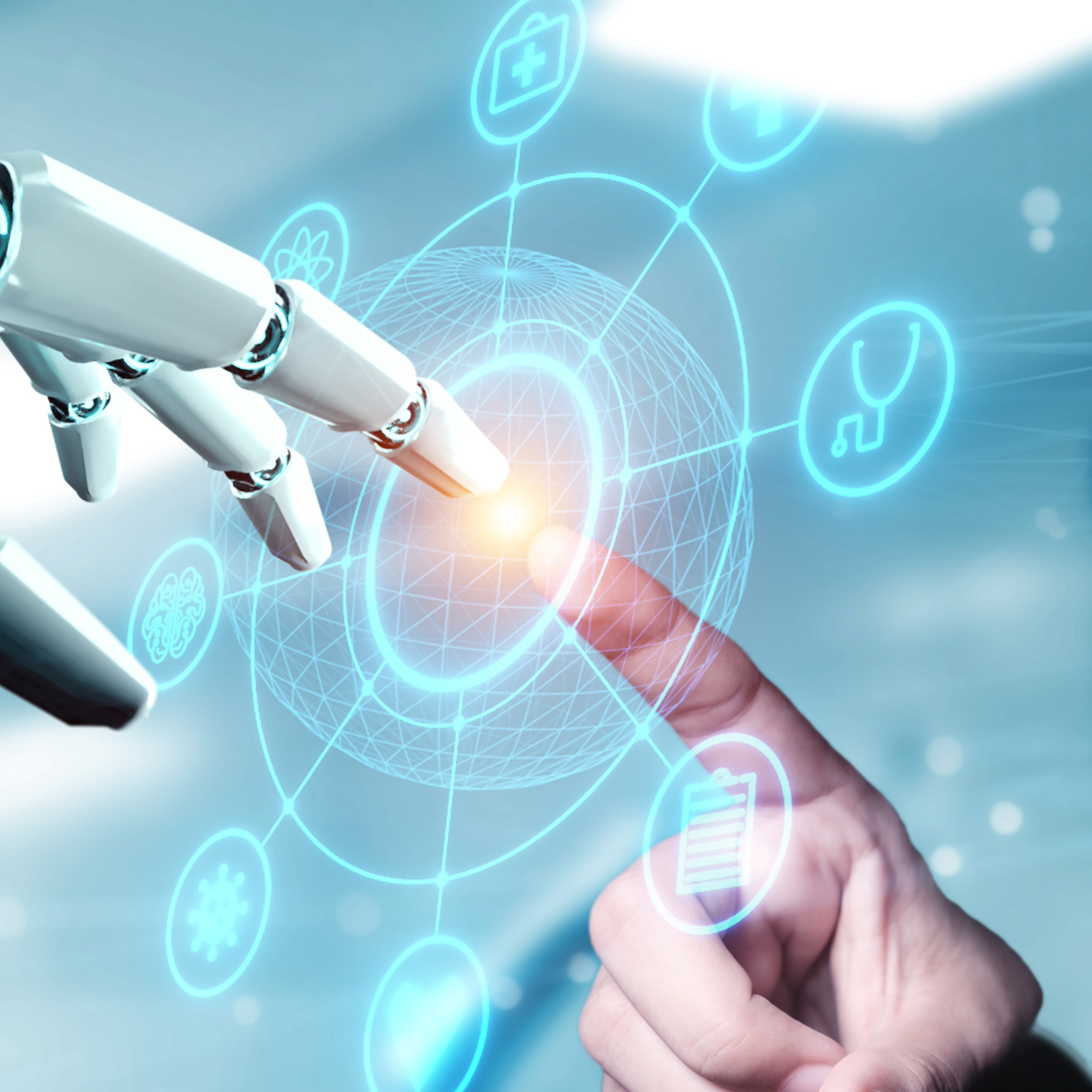
As artificial intelligence reshapes our world at breathtaking speed, a crucial question emerges for parents and educators: what will help our children thrive in this new landscape?
STEM skills and literacy will remain essential, our children need to understand the technologies shaping their futures and be able to utilise knowledge and skills that will give them a chance in the workforce. But as AI gets better at calculations, analysis, and even creative tasks, the qualities that make us distinctly human become our children's greatest strengths.
This is why a comprehensive knowledge of history becomes absolutely critical. History isn't just about memorising dates and facts. More importantly, it's about understanding people, societies, and how the world works. When your child studies the Victorians, explores ancient civilisations, investigates World War II, or examines civil rights movements, they're developing something invaluable: the ability to think critically about information and spot when they're being misled.
We often hear that critical thinking is essential, but here's what sometimes gets missed: you can't think critically in a vacuum. Critical thinking requires knowledge to work with. When students know about the Roman Empire, they can recognise patterns in how empires rise and fall. When they understand the causes of historical conflicts, they can analyse modern tensions more astutely. Knowledge isn't the opposite of critical thinking, it's the foundation that makes critical thinking possible.
Understanding historical propaganda techniques, examining how narratives have been manipulated, and analysing different sources teaches children to question what they see and read. In a world where AI can generate convincing but false content in seconds, this critical thinking is essential for navigating their digital lives.
When students explore themes that connect history, geography, science, and the arts, they learn to see the bigger picture, to understand cause and effect, to appreciate different perspectives, and to make connections across disciplines. They develop empathy by exploring how people lived in different times and places, and they build the creative and analytical thinking that helps them navigate an increasingly complex world.
Our children won't succeed by competing with AI at what computers do best. They'll thrive by being brilliantly, creatively, wisely human and that's exactly what rich, engaging history and topic work develops in our classrooms.