Blog
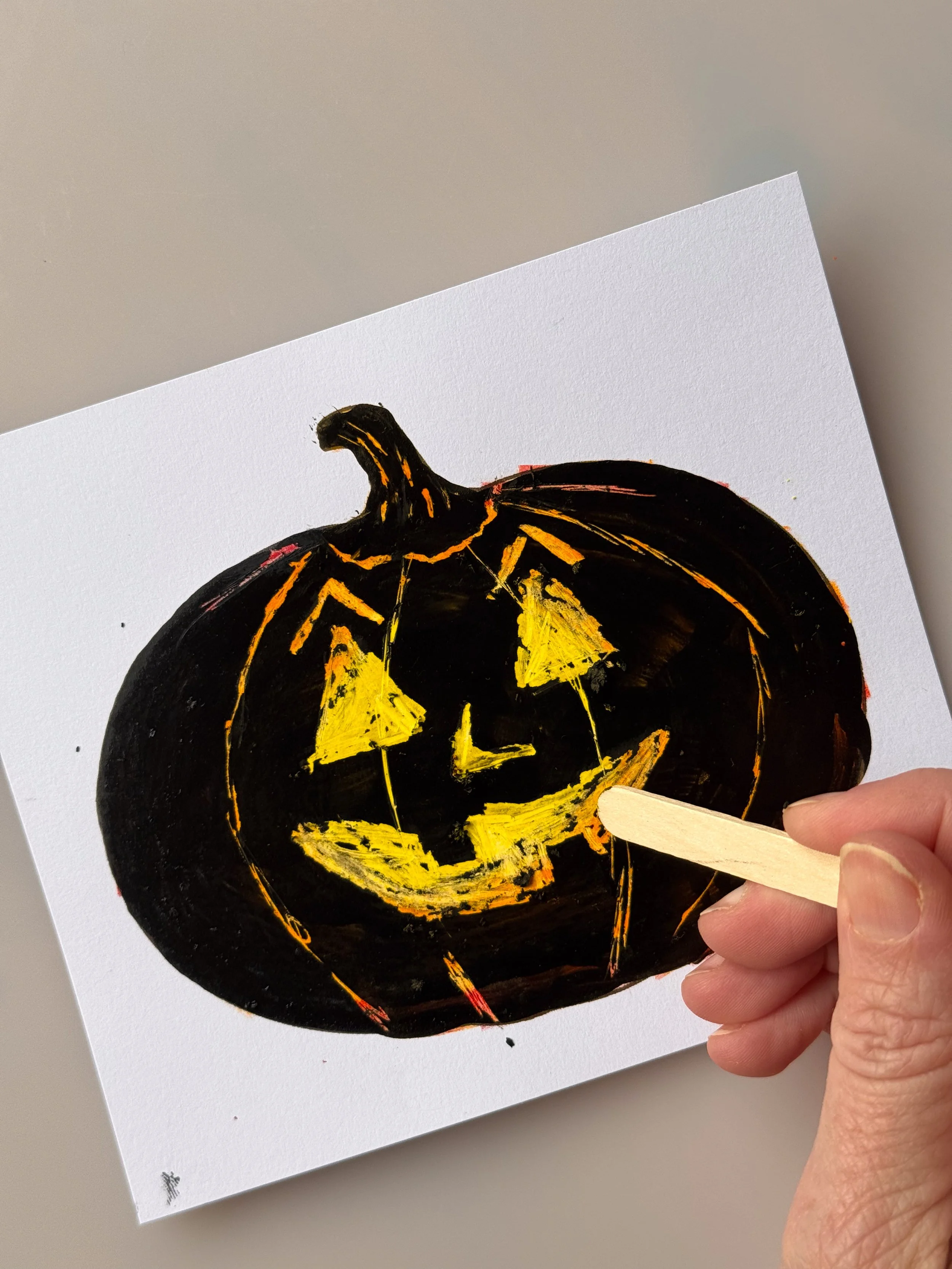
Jack-o-Lantern Scratch Art
Easy-to-follow instructions for making a Jack-o'-lantern scratch art using crayons, dish soap and black paint.

How to make a Fresco with Plaster of Paris
During the Classical and Hellenistic Periods, the interior walls of palaces, public buildings, tombs and villas were decorated with a type of painting called a fresco. Fresco is the art of placing pigment on a freshly plastered wall before the plaster has set. As the plaster dried, the pigments became embedded into the surface, creating a durable piece of art. These frescoes show scenes of Greek life, sports, mythology and landscapes, telling us a bit about how the Ancient Greeks lived.


How to succeed as a Human in an AI world
As artificial intelligence reshapes our world at breathtaking speed, a crucial question emerges for parents and educators: what will help our children thrive in this new landscape?


Red-Figure Scratch Art
In Ancient Greek red-figure pottery, the background (negative space) was painted black, and the figures were left the color of the clay. Sometimes the black paint was incised or carved away to create fine details.
Make your own red-figure art by creating a scratch pad with a few simple ingredients.

How to make a Neolithic Pinch Pot
Pottery was first used in Britain about 6,000 years ago, around the same time as farming began. Early versions of pottery were simply functional, allowing people to heat liquids over a fire. Later in the Neolithic period, people began decorating pottery with geometric patterns like lines, zigzags and dots.
Follow these simple instructions to make a pinch pot inspired by the grooved ware pottery of Neolithic Britain!

Why Some Kids Just "Get It" (And How We Can Help The Kids That Don’t)
Ever wonder why some students seem to instantly “get” certain references in their reading while others stumble, even when their reading skills are similar? The difference isn’t intelligence — it’s cultural capital. This hidden advantage, built through experiences at home and in the community, can make or break reading comprehension. The good news? Teachers can intentionally build it in the classroom, making texts accessible to all learners. Here’s how to bridge those gaps, connect lessons to students’ lives, and ensure academic success doesn’t depend on what children already know when they walk through the door.


Thoth - God of Writing, Knowledge, Magic and the Moon
Thoth was revered for his intelligence. He was in charge of all knowledge, science, mathematics, and the written word.

Sobek - Ancient Egyptian God of the Nile and Crocodiles
Sobek could protect people against the dangers of the Nile. Crocodiles were worshiped in some parts of Egypt, some were even mummified.

Set - Ancient Egyptian God of the Desert, Darkness and Chaos
Set was known as the Lord of the Red Land and represented chaos, storms, and everything that could go wrong in the world.

Ptah - Ancient Egyptian God of Creation and Artistry
Ptah was a creator god who made everything and was the patron of craftsmen.

Ra - Ancient Egyptian God of the Sun
Ra was one of the most important gods in ancient Egypt and ruled over all the other gods, as well as the sky, earth, and underworld.

Osiris - Ancient Egyptian God of the Dead
Osiris ruled over the afterlife and judged the souls of people who had died to decide if they could enter the peaceful afterlife.